
Grab a drink and sink your teeth into the unseen worlds bats carry with them. You’ll hear how gut microbes act as partners in crime—fueling bat diets, boosting immunity, and influencing their evolutionary journeys. After that microbial deep dive, we turn to the concrete jungle: meet the five bat species that call NYC home and discover the clever tricks that help them thrive in one of the world’s most challenging urban environments. Science, stories, and surprising bat facts await!
Doors open at 7:00PM. Event is 21+ with limited capacity - reserve your spot here. Free event.
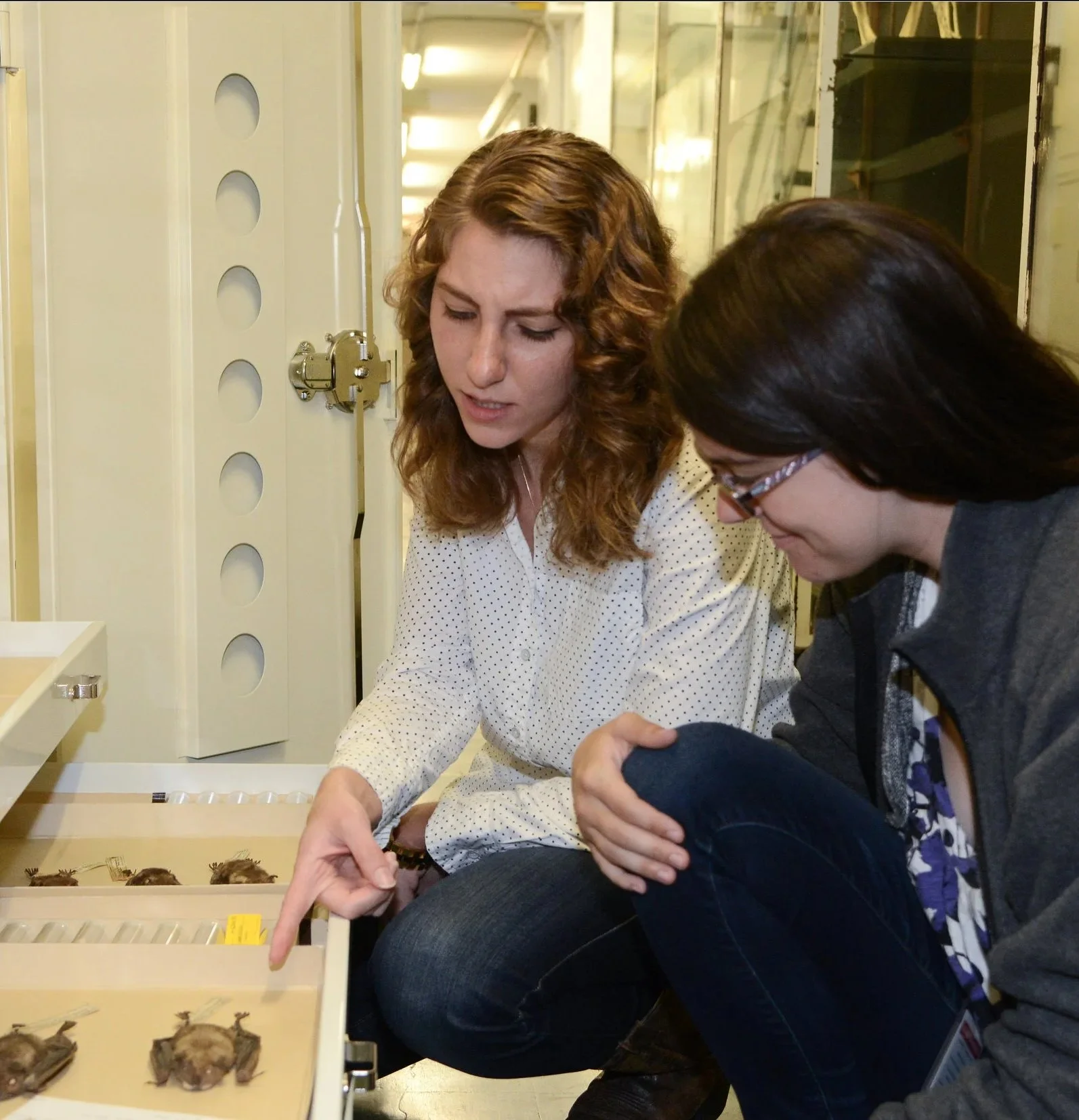
Bats get by with a little help from their bacterial friends
Melissa de Waal, PhD
Assistant Professor at Farleigh Dickinson University
Research Associate at the American Museum of Natural HIstory
https://www.fdu.edu/profiles/m-ingala/
Melissa de Waal is an Assistant Professor at Fairleigh Dickinson University and Research Associate at the American Museum of Natural History. She has worked in the Peruvian Amazon and dry forests of Belize studying bats and their microbiomes for nearly 10 years.
Mammals evolved in a microbial world, meaning that for thousands of years they have been picking up bacterial hitchhikers. But have these stowaways earned their keep? In this talk, learn how bats depend on their gut bacteria to do everything from digesting their food to fending off diseases, and how host/microbe collaboration can inform our understanding of animal evolution more broadly.
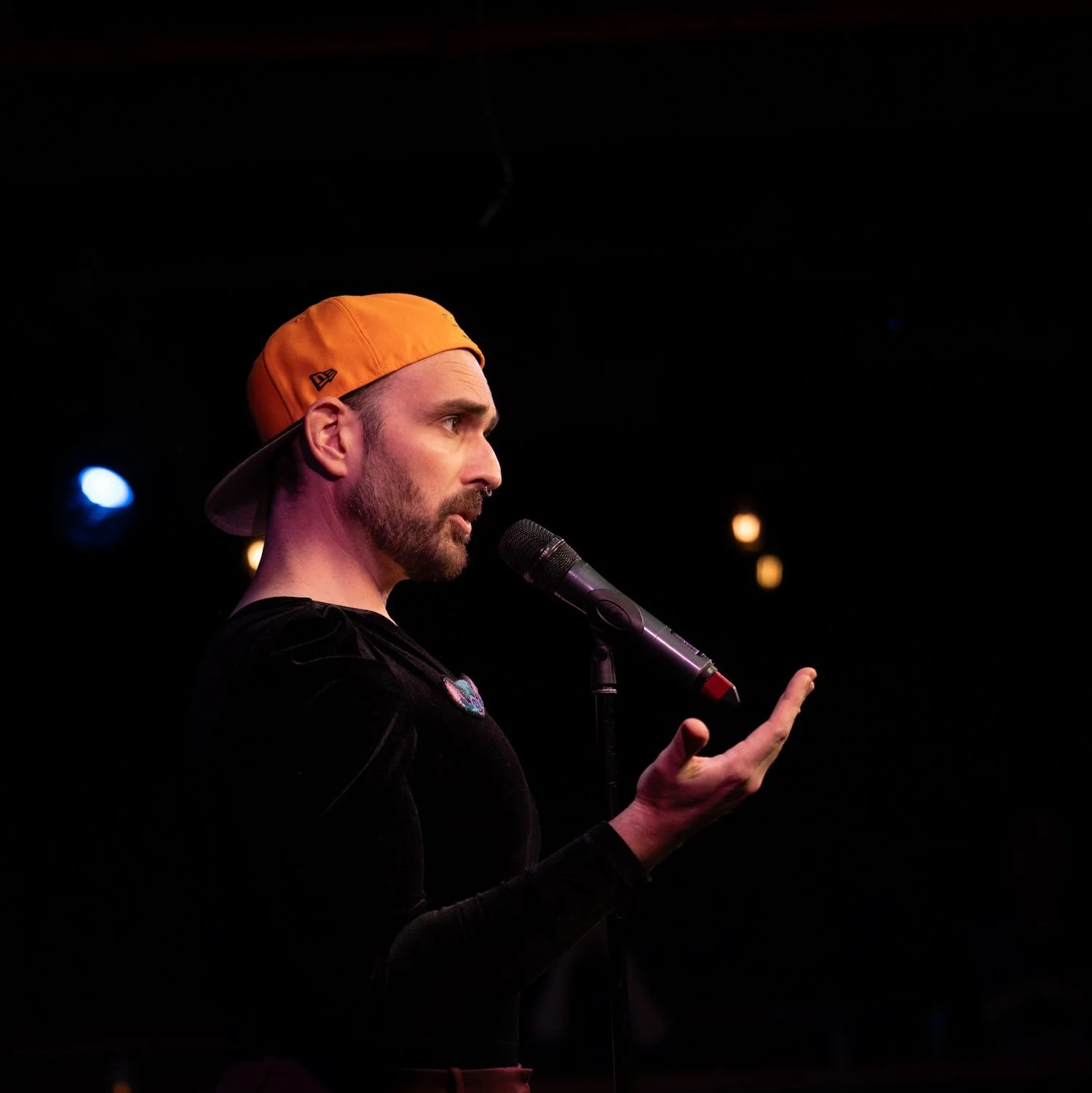
Why bats make good New Yorkers
Nic Comparato
PhD Student in the Lab for Urban Ecological Studies at Rutgers University
Founder of the Urban Bat Project NYC
Nic is a wildlife biologist specializing in bats and bioacoustics. Their research focuses on the movement andsurvival strategies of urban bat populations, especially those in NYC. Nic started Urban Bat Project NYC in 2025 to share their research (and love of bats) with the community. As a transgender scientist, they are also a proud advocate of queer representation in STEM.
Urban environments are complicated places for wildlife. Resources like food, water, and shelter are dispersed amongst a daunting matrix of habitat fragments and human development. New York City’s five bat species have each developed a unique strategy to navigate this difficult landscape. This lecture will give a brief introduction to the lives and challenges of our local bats with a special focus on the adaptations that make them exceptional New Yorkers.